
What Is Glaucoma and Why Is It So Dangerous?
Glaucoma is one of the leading causes of irreversible blindness in the world. What makes it particularly dangerous is the absence of warning signs in its most common form — primary open-angle glaucoma typically progresses without pain, without redness, and without noticeable vision change until a substantial amount of peripheral vision has already been permanently lost. By the time a patient notices something is wrong and consults a doctor, the disease may be at an advanced stage.
The condition involves damage to the optic nerve, usually associated with elevated intraocular pressure (IOP), though some patients develop glaucomatous damage at normal pressure levels (normal tension glaucoma). Fluid called aqueous humour is constantly produced inside the eye and drains through a structure called the trabecular meshwork. When this drainage is impaired — either because the angle between the iris and cornea is narrowed (angle-closure) or because the drainage tissue itself is inefficient (open-angle) — pressure builds up and damages the optic nerve fibres over time.
Types of Glaucoma
Primary open-angle glaucoma is the most common type, developing slowly over years. It has no early symptoms, and peripheral vision loss begins so gradually that the brain compensates without the patient realising. Primary angle-closure glaucoma can present as an acute attack — sudden, severe eye pain, headache, nausea, halos around lights, and blurred vision. This is an ophthalmological emergency requiring immediate treatment to prevent permanent blindness.
Secondary glaucomas develop as a complication of other eye conditions — inflammation, trauma, steroid use, or advanced cataract. Congenital glaucoma is present from birth and causes cloudiness, tearing, and light sensitivity in infants. Normal tension glaucoma, where the optic nerve is damaged despite normal pressure, is increasingly recognised and requires the same attentive management as high-pressure forms.
Who Is at Risk?
Certain factors significantly increase the risk of developing glaucoma. A family history of glaucoma is one of the strongest risk factors — first-degree relatives of glaucoma patients should have regular eye pressure and disc evaluations. People over 60, those with high myopia (short-sightedness), patients with diabetes or hypertension, and those who have used steroid eye drops, inhalers, or tablets over a long period are all at elevated risk. Anyone who fits these descriptions should have glaucoma screening as part of their routine eye check.
Diagnosis — Beyond Just Measuring Eye Pressure
Glaucoma diagnosis is multifaceted. Measuring intraocular pressure with a tonometer is one component, but normal pressure does not rule out glaucoma, and elevated pressure alone does not confirm it. A comprehensive assessment includes examination of the optic nerve head with a dilated fundus examination (and ideally, optic disc photography for monitoring over time), gonioscopy to evaluate the drainage angle, visual field testing to map peripheral vision loss, and OCT (optical coherence tomography) to quantify and monitor nerve fibre layer thickness.
This multi-layered approach allows detection of glaucoma at an earlier stage than pressure measurement alone, and provides a reliable baseline for monitoring disease progression and treatment response over time.
Treatment Options — Preserving What Remains
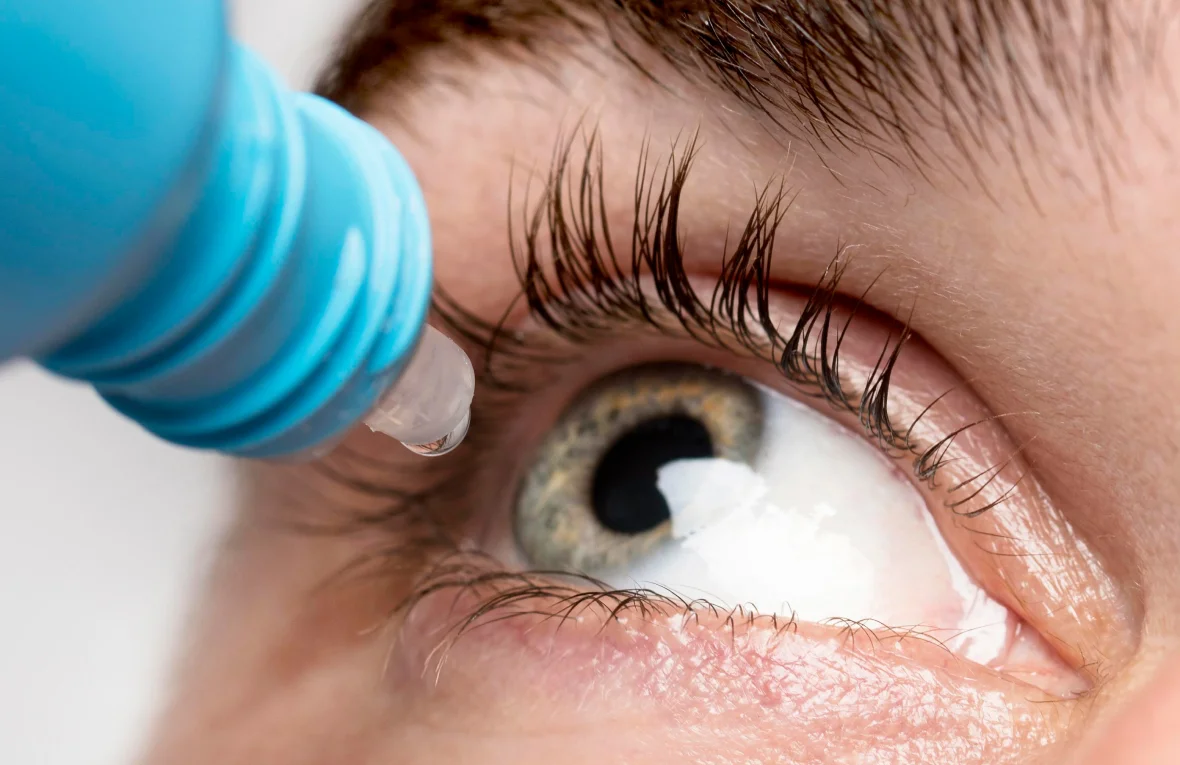
It is important to understand that glaucoma treatment does not restore lost vision — it prevents further loss. The primary goal is to lower intraocular pressure to a target level that protects the optic nerve from further damage. First-line treatment is usually medical, with pressure-lowering eye drops. Prostaglandin analogues, beta-blockers, alpha agonists, and carbonic anhydrase inhibitors are the main classes available, often used in combination. Adherence to the medication regimen is critically important, as missed doses allow pressure to rise and damage to continue.
When drops are insufficient or poorly tolerated, laser procedures offer an effective step-up. Selective laser trabeculoplasty (SLT) targets the drainage tissue and can lower pressure by 20-30%, with a good safety profile. For more advanced or medically uncontrolled glaucoma, surgical options including trabeculectomy or aqueous drainage devices create new pathways for fluid outflow. Regular monitoring throughout treatment is non-negotiable — glaucoma management is a lifelong commitment. At Neyera Magic Eye Care, Khandeshwar, we provide thorough glaucoma care including diagnosis, medical management, and guidance on when and where surgical intervention may be needed. Call 9559550957 to schedule your evaluation.
Frequently Asked Questions
How often should I have an eye exam?
It’s recommended that adults have a comprehensive eye exam every 1-2 years, even if your vision seems fine. For children, their first eye exam should be at 6 months, followed by another at 3 years old, and then annually during school years. If you wear glasses or contact lenses or have a medical condition like diabetes, you may need more frequent exams.
What are the signs that I need glasses?
If you’re experiencing frequent headaches, eye strain, blurry vision (either up close or at a distance), difficulty seeing at night, or squinting to focus, these could be signs that you need glasses. A comprehensive eye exam will determine if corrective lenses are necessary.
What causes dry eyes, and how can I treat it?
Dry eyes can be caused by aging, certain medications, environmental factors, or prolonged screen use. Treatment options include artificial tears, prescription eye drops, and lifestyle adjustments such as taking breaks from screens. An eye doctor can recommend the best course of treatment based on the severity of your symptoms.
Are there ways to prevent common eye diseases like glaucoma or cataracts?
While you can’t always prevent eye diseases, there are steps you can take to reduce your risk. These include wearing UV-blocking sunglasses, eating a healthy diet rich in antioxidants, avoiding smoking, and having regular eye exams to catch any issues early. Managing conditions like diabetes or high blood pressure can also help protect your eye health.