
The Junction Between Neurology and Eye Care
Vision is not just a function of the eyes — it involves a complex pathway from the eye through the optic nerve, optic chiasm, optic tracts, and ultimately to the visual cortex at the back of the brain. Neuro ophthalmology is the subspecialty that investigates conditions at this intersection — where diseases of the brain, nervous system, or systemic illness manifest as visual symptoms or where eye signs provide clues to underlying neurological disease.
Neuro-ophthalmic presentations are often among the most diagnostically challenging in medicine. A patient may arrive with sudden unexplained vision loss, double vision, headache with visual disturbance, or visual field defects that do not fit standard refractive or ocular causes. Unravelling these cases requires a systematic, knowledge-intensive approach that integrates ophthalmic examination with understanding of neurology and systemic medicine.
Conditions Managed Under Neuro Ophthalmology
Optic neuritis — inflammation of the optic nerve — typically presents with pain on eye movement followed by central vision loss. It is closely associated with multiple sclerosis and may be the first presenting symptom of demyelinating disease. Prompt evaluation, appropriate imaging, and timely treatment can help preserve vision and manage the underlying condition. Ischaemic optic neuropathy, a more abrupt loss of vision due to inadequate blood supply to the optic nerve, is particularly common in older patients with vascular risk factors like hypertension, diabetes, or cardiovascular disease.
Papilloedema — swelling of the optic disc due to raised intracranial pressure — requires urgent investigation to identify the cause, which may include intracranial tumours, idiopathic intracranial hypertension, or other serious conditions. Optic atrophy, the end result of various optic nerve insults, presents as pale optic discs on examination and reduced visual acuity. Visual field defects — losses in specific parts of the visual field — often carry localising value and can point to lesions at specific points along the visual pathway.
Diplopia (double vision) arising from cranial nerve palsies — particularly of the third, fourth, or sixth cranial nerves — can result from causes ranging from benign microvascular disease in diabetics to intracranial aneurysms, tumours, or inflammatory conditions. Myasthenia gravis, a neuromuscular junction disorder, frequently presents first to an ophthalmologist with drooping eyelids and variable double vision. Thyroid eye disease, while primarily an oculoplastic concern, has significant neuro-ophthalmic implications when optic nerve compression occurs.
Evaluation in Neuro Ophthalmology
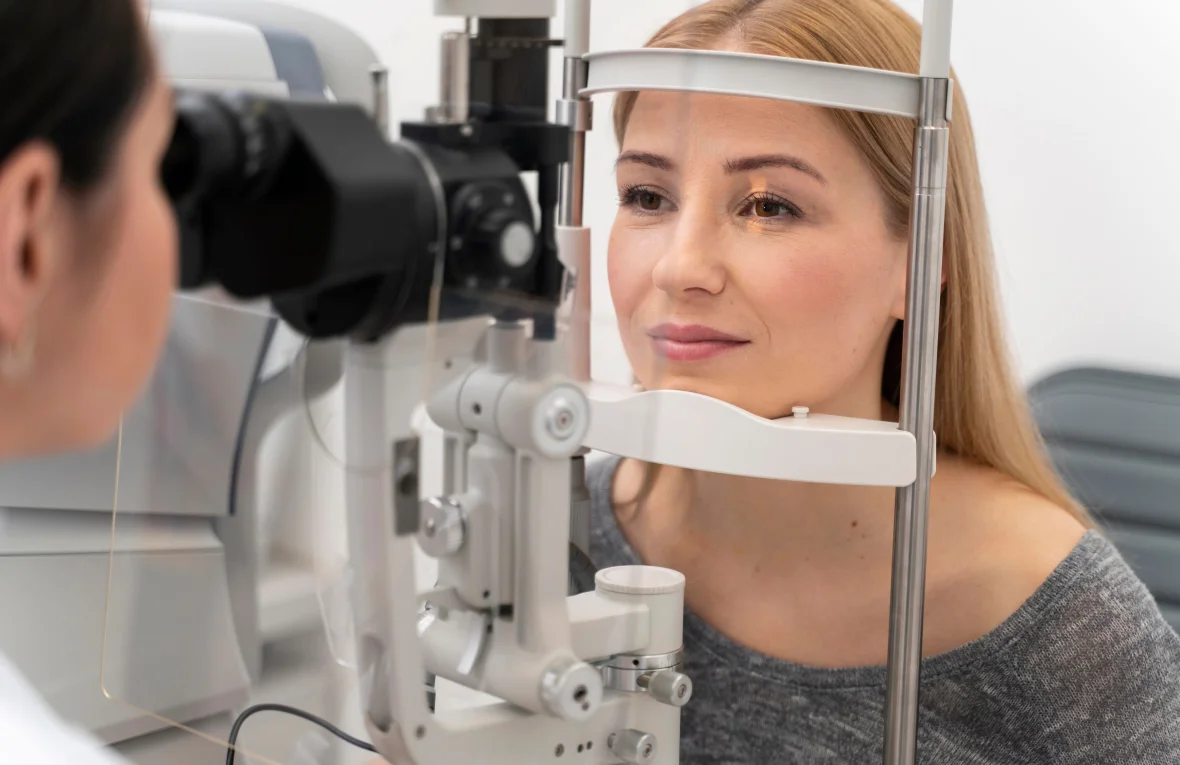
A thorough neuro-ophthalmic evaluation goes beyond a standard eye examination. It includes detailed assessment of visual acuity and colour vision (as colour desaturation is an early sign of optic nerve disease), formal visual field testing, pupil assessment (looking for relative afferent pupillary defects), and careful examination of the optic disc and fundus. Ocular motility — how well the eyes move together and in different directions — is meticulously assessed when diplopia or nystagmus is a concern.
When neurological disease is suspected, appropriate imaging — usually an MRI of the brain and orbits — is requested in coordination with a neurologist. The goal of neuro-ophthalmic evaluation is not just diagnosis but accurate characterisation that guides the most efficient and appropriate referral pathway, sparing patients unnecessary delay or investigations.
When Should You Seek a Neuro-Ophthalmic Consultation?
You should consider a neuro-ophthalmic evaluation if you experience sudden unexplained vision loss in one or both eyes, double vision of new onset, persistent or episodic visual disturbances (flashes, zigzag patterns, visual field loss), drooping eyelids that vary through the day, or if a neurologist or general physician has found signs that may relate to your vision. These are not symptoms to delay investigating.
At Neyera Magic Eye Care in Khandeshwar, Navi Mumbai, we take neuro-ophthalmic symptoms seriously and evaluate them with the thoroughness they deserve. Our clinic serves patients from Panvel, Kharghar, Taloja, Belapur, Alibagh, and across Navi Mumbai. Call 9559550957 or email info@neyeramagic.com to schedule your consultation.
Frequently Asked Questions
How often should I have an eye exam?
It’s recommended that adults have a comprehensive eye exam every 1-2 years, even if your vision seems fine. For children, their first eye exam should be at 6 months, followed by another at 3 years old, and then annually during school years. If you wear glasses or contact lenses or have a medical condition like diabetes, you may need more frequent exams.
What are the signs that I need glasses?
If you’re experiencing frequent headaches, eye strain, blurry vision (either up close or at a distance), difficulty seeing at night, or squinting to focus, these could be signs that you need glasses. A comprehensive eye exam will determine if corrective lenses are necessary.